
How to use gold leaf gilding leaf for painting/drawing?
Release time:
2024-09-07
Source:
Jinsheng Gold Leaf Company
1. Prepare Surface
Paint the surface a color. You can use oil or acrylic paint for this underpainting. If you use acrylic paint you can use the water-based adhesive over it to apply the leaf. If you use oil paint you MUST use the solvent-based or oil-based adhesive to apply the leaf. This color will only show minimally under the leaf if you will be covering your surface all the way with leaf. For a classic look use Red Oxide paint color. Optional – add texture using a mixture of Molding Paste with acrylic paint color.

2. Apply adhesive
Choose water-based or solvent-based leaf adhesive (also called gilding or leaf sizing). I use water-based because it is non-toxic and I apply it over acrylic.
The best way to tell if the size is solvent-based or water-based is to read product label instructions. When it directs you to clean brushes with solvents, it is solvent-based (also sometimes called oil-based), while the water based size will instruct you to clean brushes with water. Use either type if it will be applied over a primed or acrylic painted surface. If applying OVER oil paint you must use the solvent-based adhesive and make sure the oil paint is fully dry. Drying times for oil paint depend on how thick the paint is applied, which paint colors are used, and your climate conditions. Apply thinly. Let dry at least 20 minutes before leafing.

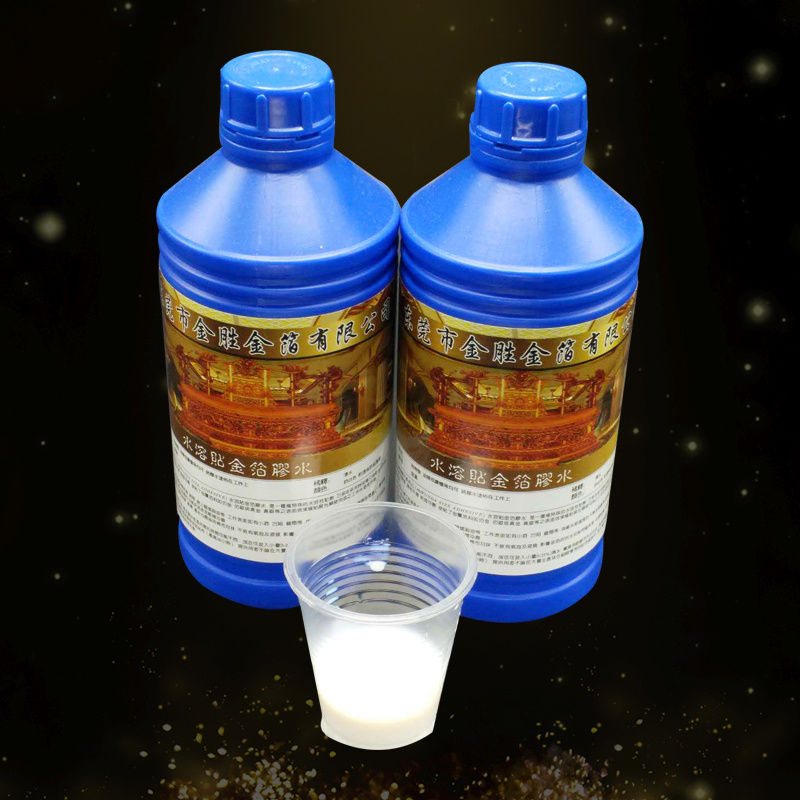
3. Apply Leaf
Place wax paper over leaf, rub gently to create static, lift and position to place. Once placed rub lightly, then lift wax paper and repeat to leaf other areas. Allow excess overlap of leaves.


4. Burnish
Place sheet of wax paper over leaf, then rub with moderate pressure using soft cloth. After burnishing let dry for at least 3 days (I prefer at least one week) so the adhesive is fully cured. Do not burnish without the wax paper in between your cloth and leaf or you will remove the leaf.
5. Clean Excess
Using a stiff small brush gently remove excess leaf on the sides of the panel or canvas, and wherever leaves overlap each other.
6. Pre-Paint Sealing: Seal Leaf Before Overpainting
There are two methods to seal leaf prior to painting with acrylic or oil. One involves a solvent-based varnish which is toxic and requires ventilation and proper protection. This gives a stronger coating with no risk of tarnishing the imitation leaf. Let me repeat that in a stronger way. This is the BETTER way to seal over the leaf before applying paint. It has better protection and less room for error in the application.
The other method uses a water-based acrylic medium which is non-toxic, but will require more coats as it offers a thinner coating then the toxic product. Even with multiple coats this will not provide as good a seal as the method above, when you are using aggressive painting techniques such as sanding, pouring acrylic layers, or using thick applications of acrylic paints or acrylic products. This water-based version also has some risks involved with its application. If applied using bad application habits, it can still cause tarnishing. This method requires some understanding about its application for good results. Tips for good application are described in the next paragraph. Unlike imitation gold leaf, real gold leaf will not tarnish, but sealing is still recommended so it won’t get harmed while painting. If using real gold leaf you do not have to worry about any of the cautions I am mentioning here, about tarnishing.
Previous
